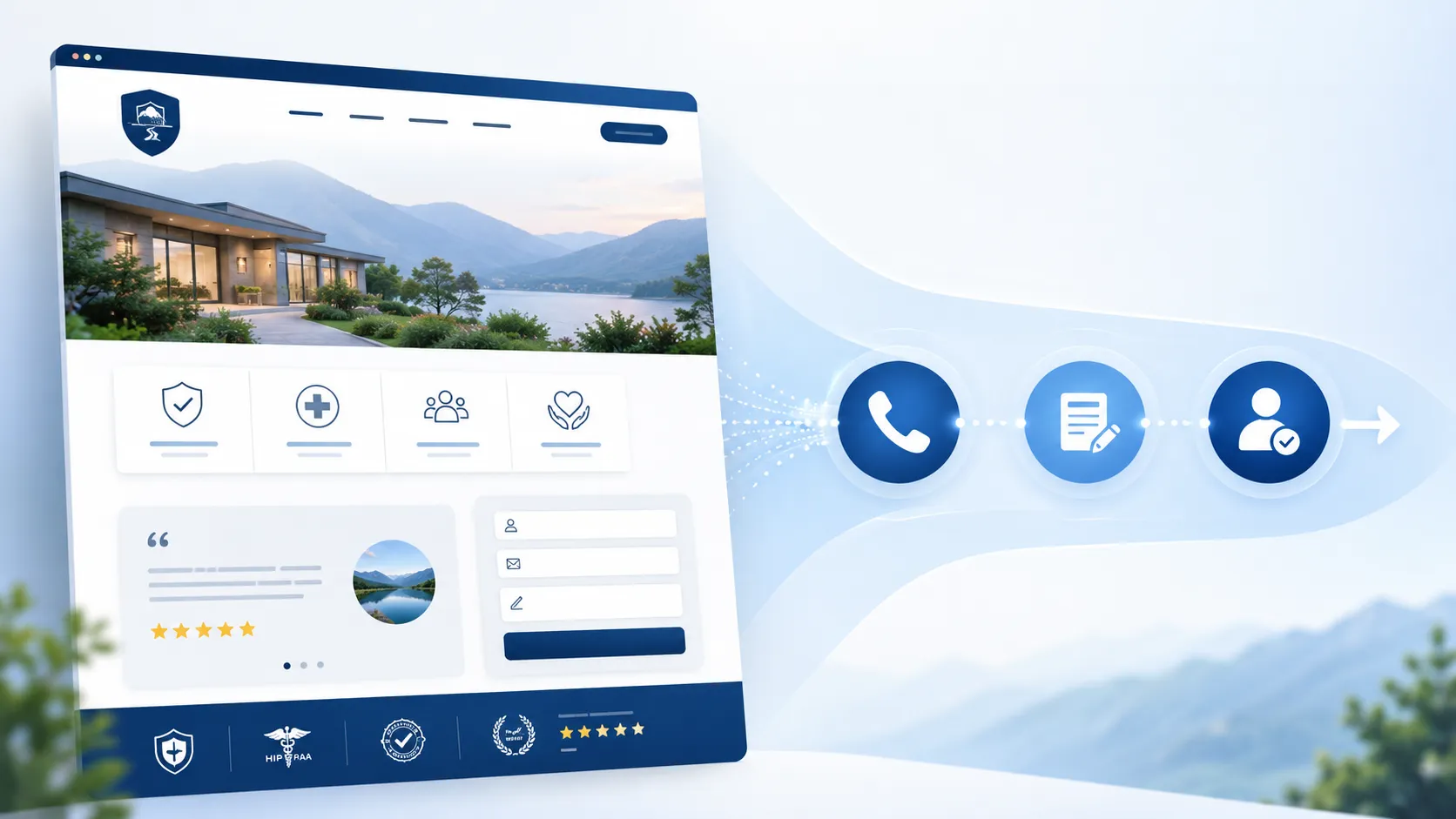
Many treatment centers try to speak to everyone. It feels safer to keep the messaging broad so that no potential patient is left out. In practice, though, broad messaging often makes it harder for the right people to recognize whether a program is actually a good fit for them.
Niching down does not mean a center can only serve one type of person. It means creating clearer positioning around the audiences, needs, programs, or strengths the center is best equipped to support. Done well, stronger positioning can improve marketing clarity, inquiry quality, patient fit, satisfaction, and differentiation in a competitive treatment market.
What Audience Positioning Means in Addiction Treatment Marketing
Audience positioning is the process of defining who your treatment center is best positioned to help, and then making that clear across your website, content, ads, and admissions messaging. It is less about a single tagline and more about a consistent answer to a simple question: who is this program really for?
Positioning can be based on population, level of care, clinical focus, treatment model, location, lifestyle needs, insurance fit, or a specific type of support. A center might build its positioning around any of these:
Positioning can be built around
Whatever the focus, positioning should reflect what the center can genuinely support, not just what sounds appealing from a marketing standpoint. Positioning that overpromises or misrepresents the program tends to attract the wrong inquiries and erode trust.
Why Speaking to Everyone Can Weaken Your Message
When a treatment center tries to appeal to everyone, its website and ads often become vague, generic, and easy to forget. The copy ends up describing services in the same broad terms that dozens of other centers use, which gives visitors little reason to choose one program over another.
Broad messaging also makes it harder for visitors to understand what makes a program different, who it is best suited for, and why they should reach out now instead of continuing to compare options. The more a message tries to cover, the less any single person feels it was written for them.
More specific messaging usually feels more relevant to the right person. When someone sees their situation, concerns, or identity reflected in the website, they are more likely to trust the center and take the next step toward a qualified inquiry.
Why Better Fit Can Improve Satisfaction and Retention
Stronger audience fit does more than improve marketing. It can support a better treatment experience. When people understand what a program offers before they reach out, they tend to arrive with clearer, more realistic expectations.
Better-fit inquiries also tend to lead to more productive admissions conversations, because the person already has a stronger sense of the program, environment, services, and approach before the first call. There is less to clarify and fewer mismatched assumptions to unwind.
When the marketing reflects the actual treatment experience, people are less likely to feel misled or confused. That alignment can support trust, satisfaction, retention, and a closer match between what the person needs and what the center is able to provide.
Where to Use Audience Positioning Across Your Website and Marketing
Audience positioning is not only a tagline on your homepage. To work, it should shape the full marketing experience, from your SEO content and service pages to your PPC campaigns and the way your website design presents the program. When positioning lives in only one place, the message gets diluted everywhere else.
Positioning can show up in
- Homepage messaging
- Service pages
- Program pages
- Location pages
- PPC landing pages
- Blog topics
- FAQs
- Calls to action
- Images and visuals
- Admissions copy
- Google Ads and paid campaigns
- Social media content
- Email follow-up language
When positioning is consistent across these touchpoints, people see the same message wherever they encounter your center. That repetition builds recognition, reinforces trust, and reduces the confusion that can quietly cost you a qualified inquiry.
Build Your Marketing Around the People You Serve Best
Niching down does not limit the future of a treatment center. It makes the marketing clearer, more specific, and more aligned with the people the center is best prepared to help. The program can still grow, add services, and serve a range of patients. Positioning simply gives the right people a faster way to recognize that they are in the right place.
Strong treatment center marketing should not only ask, "How do we reach more people?" It should also ask, "Who are we best equipped to help, and how do we make that clear?" The answer to that second question is often where better inquiry quality begins.
Clarify Who Your Center Serves Best
If your treatment center wants to clarify its positioning, improve messaging, and build a digital marketing strategy around the people you serve best, Elvero can help you evaluate the opportunity.